Double-Cab PickUps – Should you change your vehicle?
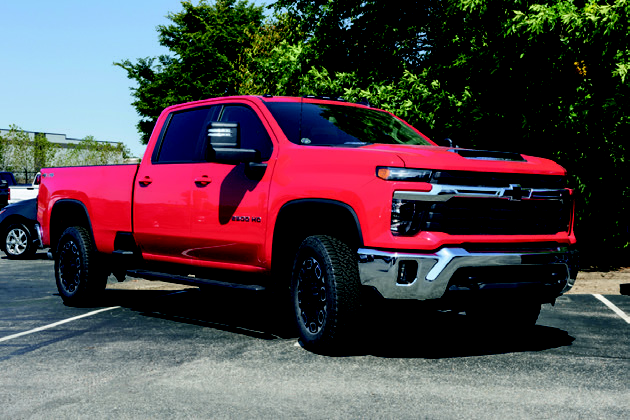
A double-cab pickup (DCPU) normally has:
- a front passenger cab, with two rows of seats for the driver and around 4 passengers;
- four doors capable of being opened independently; and
- an uncovered pickup area behind the passenger cab.
They are very commonly owned as business vehicles, particularly in the agricultural sector. Tax policy currently treats DCPUs with a payload of:
- under 1 tonne as cars; and
- 1 tonne or more as vans.
Vans have a more favourable tax treatment than cars, in that:
- Vans have lower benefit-in-kind (bik) charges than cars;
- The cost of vans can usually be deducted for tax purposes in the year of acquisition, via the Annual Investment Allowance or ‘full expensing’, whereas tax relief via capital allowances on cars is usually much slower; and
- VAT is not recoverable on business cars where there is any element of private use.
In a major change of policy, from 1 April 2025 for corporation tax and 6 April 2025 for income tax, all DCPUs will be treated as cars for the purposes of capital allowances and biks. However, there are some fairly generous transitional rules for those with a payload of one tonne or more, as follows:
- The existing capital allowances treatment will apply to those who purchase DCPUs before the change.
- Transitional bik arrangements will apply for employers that have purchased, leased, or ordered a DCPU before 6 April 2025; they will be able to use the previous treatment, until the earlier of disposal, lease expiry, or 5 April 2029.
The new approach is due to a Court of Appeal decision on hybrid vehicles, where it was decided that, unless a vehicle is designed ‘first and foremost’ for the transport of goods or burden, it should be treated as a car. This change was originally announced to take effect a year ago, but the announcement was rapidly reversed (many felt because of the upcoming General Election). It is now going ahead.
Note that the VAT treatment is unaffected and will continue to be based on payload:
- Anything under one tonne is classified as a car, and
- Anything of one tonne and over as a van.
If your business uses DCPUs with a payload of one tonne or greater, you should talk to us about how this change in treatment will affect you. It may be sensible to bring forward plans to replace such vehicles, in order to take advantage of the transitional rules, but time is short to make such decisions.